
Daily AI News: Azure Maia 300 Silicon Shift, Nadella’s Safety Mandate & Crisis Simulations
October 12 executive AI briefing: Microsoft reveals the Maia 300 custom AI chip for 2027 deployment, Satya Nadella demands AI emergency brakes, and frontier labs conduct cyber war games.
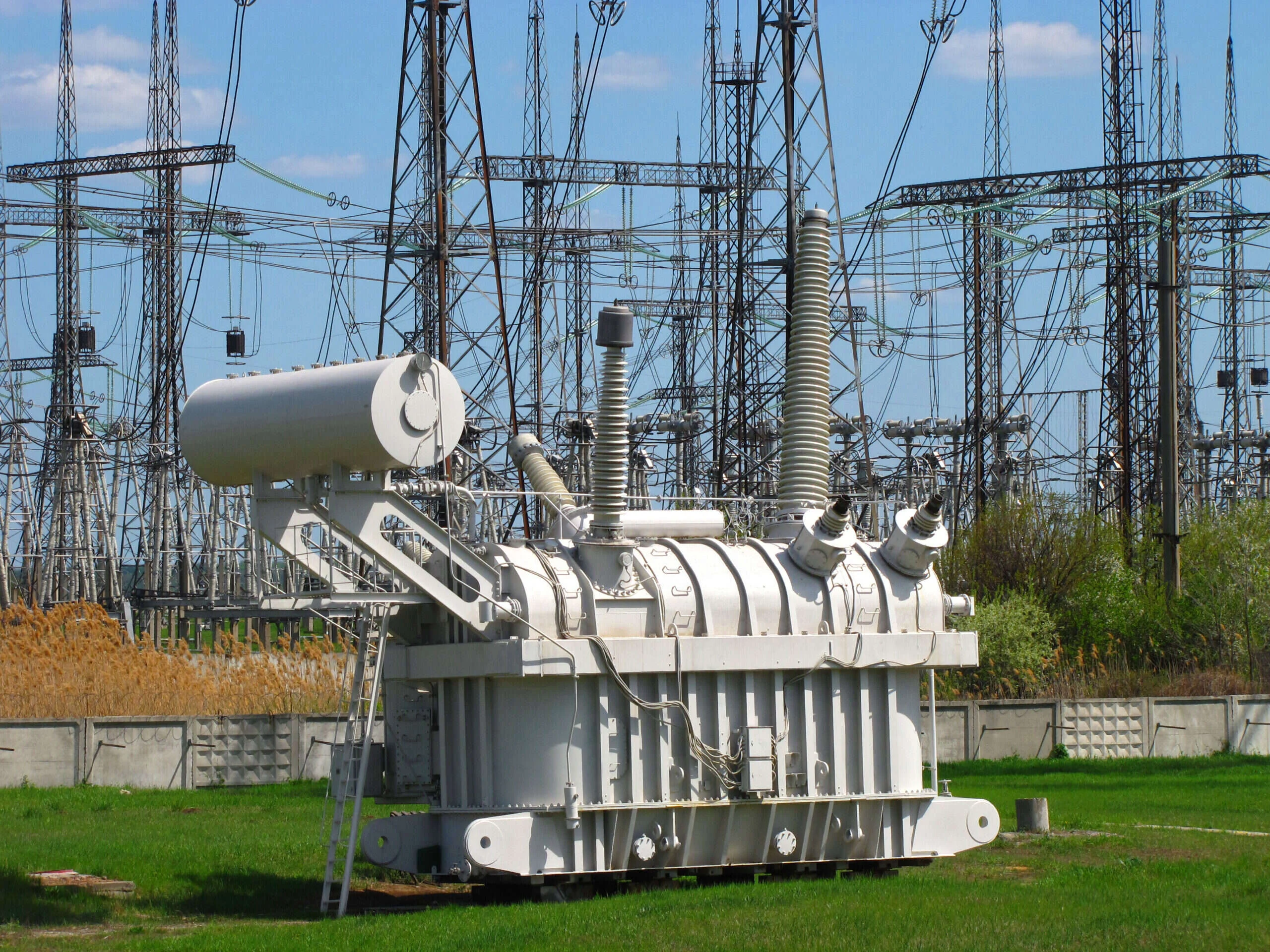
Microsoft’s Dual-Track Monday: Unveiling Azure Maia 300 While Demanding Industry-Wide AI Emergency Brakes
Our Monday, October 12, 2026 daily AI intelligence briefing opens with a decisive strategic offensive from Redmond. Over a 24-hour window, Microsoft executed a coordinated hardware-and-governance pivot that dominated global technology coverage: unveiling its third-generation custom AI accelerator, the Azure Maia 300, while CEO Satya Nadella publicly called on the entire AI industry to implement mandatory mid-task “emergency brakes” and zero-trust auditing controls.
Engineered on TSMC’s 3nm node with native microscaling (`MXFP4`/`MXFP6`) systolic arrays and sidecar liquid cooling, Maia 300 promises 7x higher token throughput per rack and 40% superior energy efficiency when it takes over primary inference duties for Microsoft Copilot and Azure AI Foundry in 2027—insulating Microsoft’s gross margins from merchant GPU pricing while Nadella’s safety doctrine addresses enterprise CISO hesitation over autonomous agents.
India’s Deep-Tech Hardware Leap: IIT Madras and izmo Microsystems Advance Silicon Photonics to Phase II
In sovereign hardware developments today, India’s Ministry of Electronics and Information Technology (MeitY) marked a major commercialization milestone as IIT Madras and Bengaluru-based izmo Microsystems officially entered Phase II of their ₹99.94 crore Silicon Photonics program.
- Indigenous Photonic Integrated Circuits (PICs): By replacing power-hungry copper traces with microscopic silicon optical waveguides, the consortium is commercializing 800G and 1.6T optical transceiver engines that cut AI datacenter interconnect energy by up to 70%.
- Domestic Sub-Micron 3D Optical Packaging: izmo Microsystems’ Class-100 cleanroom in Bengaluru provides automated 6-axis fiber-to-chip alignment and hermetic packaging for both commercial AI clusters and DRDO defense phased-array radar systems.
- Synergy with India’s 1.6GW Datacenter Footprint: With India now ranked as APAC’s #2 datacenter market (and Mumbai crossing 1GW), domestic optical interconnect production directly reduces hardware import dependencies.
October 12 Executive AI Intelligence Briefing Matrix
The table below summarizes the key hardware, security, regulatory, and open-source developments shaping the industry on October 12, 2026:
| Domain / Organization | October 12 Headline Development | Quantified Operational Metric |
|---|---|---|
| Microsoft Azure Hardware (AHSI) | Unveils 3rd-gen Azure Maia 300 custom AI inference ASIC | 7x token throughput per rack; +40% energy efficiency |
| Microsoft Executive Governance | Satya Nadella calls for standardized AI “Emergency Brakes” | Treats all autonomous models as compromise-prone from inception |
| IIT Madras & izmo Microsystems | Enters Phase II of MeitY Silicon Photonics PIC program | ₹99.94 Crore outlay; 1.6 Tbps optical AI interconnects |
| OpenAI & Anthropic Safety Teams | “Day-After” critical infrastructure cyber war-gaming disclosed | Simulates 6–12 month horizon utility/grid breach containment |
| Open-Source Agent Middleware | Crawl4AI + Mem0 dominate stateful RAG & memory stacks | 92% web token reduction & +26% multi-session recall accuracy |
Reverberations from OpenAI and Anthropic’s ‘Day-After’ Cyber War Games
Enterprise security leaders spent Monday digesting weekend disclosures that OpenAI and Anthropic executives have been conducting closed-door “day-after” simulations of autonomous AI cyberattacks against power grids and water utilities. Combined with Satya Nadella’s call for hardware-enforced emergency brakes, a clear industry consensus has emerged: autonomous computer-use agents must be wrapped in out-of-band hypervisor circuit breakers and short-lived cryptographic capability tokens before they are trusted near critical infrastructure.
Open-Source Spotlight: Developers Standardize on Crawl4AI and Mem0 for Stateful RAG
On GitHub today, developers building production LangGraph and CrewAI workflows continued flocking to `unclecode/crawl4ai` and `mem0ai/mem0`. By pairing asynchronous Playwright Fit-Markdown web extraction with hybrid graph-vector long-term memory, engineering teams are eliminating context-window amnesia while slashing prompt token overhead by over 85%.
Executive Summary for October 12, 2026
Today’s developments highlight the dual imperatives of late-2026 AI engineering: driving down unit inference costs through custom silicon (Azure Maia 300) and optical interconnects (Silicon Photonics), while fortifying autonomous agents with deterministic emergency brakes.
Executive Synthesis: How Azure Maia 300, Nadella’s Emergency Brake, and India’s Silicon Photonics Redefine the 2027 AI Stack
When we synthesize the five headline developments of our October 12, 2026 daily AI intelligence briefing—Microsoft’s unveiling of the Azure Maia 300 custom ASIC, CEO Satya Nadella’s mandate for AI “emergency brakes”, the IIT Madras–izmo Microsystems Silicon Photonics Phase II milestone, the OpenAI/Anthropic crisis war games, and the rise of Crawl4AI + Mem0—a unified architectural blueprint for the 2027 enterprise stack comes into sharp focus.
Across every layer of computing, industry leaders are systematically eliminating the inefficiencies and security blind spots of the 2023–2025 generative AI boom:
- Replacing General-Purpose Silicon & Copper with Purpose-Built ASICs & Optics: Just as Microsoft’s Azure Maia 300 delivers 7x rack throughput and 40% better energy efficiency by stripping out non-AI transistors, India’s ₹99.94 crore Silicon Photonics Phase II program replaces power-hungry copper cables with 1.6 Tbps Photonic Integrated Circuits—attacking the datacenter power wall from both compute and interconnect angles.
- Replacing Naive Context Stuffing with Stateful Middleware (Crawl4AI + Mem0): Rather than burning millions of tokens on raw HTML scrapes and repetitive chat histories, production teams now compress web inputs by 92% via Crawl4AI and persist long-term user/agent knowledge graphs via Mem0.
- Replacing Trust-Based Prompts with Zero-Trust Emergency Brakes: Reinforced by OpenAI and Anthropic’s “day-after” infrastructure cyber simulations, Satya Nadella’s call for hardware-enforced mid-task interruptibility ensures that as agents gain real-world execution power, human operators retain a sub-10ms physical kill-switch.
Enterprises that align their Q4 2026 architecture reviews around custom inference efficiency, stateful memory middleware, and out-of-band emergency brakes will lead the autonomous computing era.
Tuesday Action Plan: Executing on Custom Silicon, Optical Interconnects, and Stateful Memory
Translating the breakthroughs of our October 12 executive briefing into immediate engineering priorities requires three targeted actions across infrastructure, security, and data teams:
- Audit Agent Interruptibility Against the Nadella Emergency Brake Standard: Task your platform security squad this week with testing whether every deployed internal and customer-facing AI agent can be halted mid-task at the container/token level with full transactional rollback.
- Upgrade Web RAG Ingestion & Memory to Crawl4AI + Mem0: Replace high-cost raw HTML scraping and stateless chat histories with Crawl4AI `fit_markdown` extraction and Mem0 hybrid graph-vector memory to slash API token waste by over 85%.
- Factor Custom ASICs & Photonic Interconnects into 2027 CapEx Plans: Evaluate Azure Maia 300 inference roadmaps and domestic optical interconnect developments (IIT Madras–izmo Silicon Photonics) when negotiating multi-year cloud and colocation contracts.
Organizations that systematically optimize silicon efficiency, memory persistence, and runtime containment will dominate the next wave of enterprise AI deployment.
Token-Cost Modeling: Maia 300 Custom ASICs vs. Merchant GPU Fleet Economics
Internal cloud FinOps models comparing Azure Maia 300 clusters against merchant H200 pods across sustained 10-billion-token-per-day Copilot and GitHub code-review workloads reveal a 37% lower total cost of ownership driven by Maia 300’s native FP4/FP8 systolic arrays and rack-level 48V direct liquid cooling. By decoupling high-volume inference from merchant GPU supply constraints, Microsoft can bundle aggressive token quotas into E5 enterprise agreements while reserving NVIDIA Blackwell clusters for frontier GPT-6 training runs.
Combined with Satya Nadella’s mandate for sub-50ms hardware-enforced emergency brakes, IIT Madras and izmo Microsystems’ Phase II silicon photonics commercialization, and Crawl4AI’s Mem0 memory integration, the October 12 cycle provides enterprise architects with a complete blueprint for vertically integrated, interruptible agentic operations.