
G7 Hiroshima AI Process Reporting Framework: Interoperable Safety Registries & Red-Teaming Disclosures
International artificial intelligence governance achieved a major multilateral milestone as G7 member states finalized a unified technical framework for monitoring frontier risks.
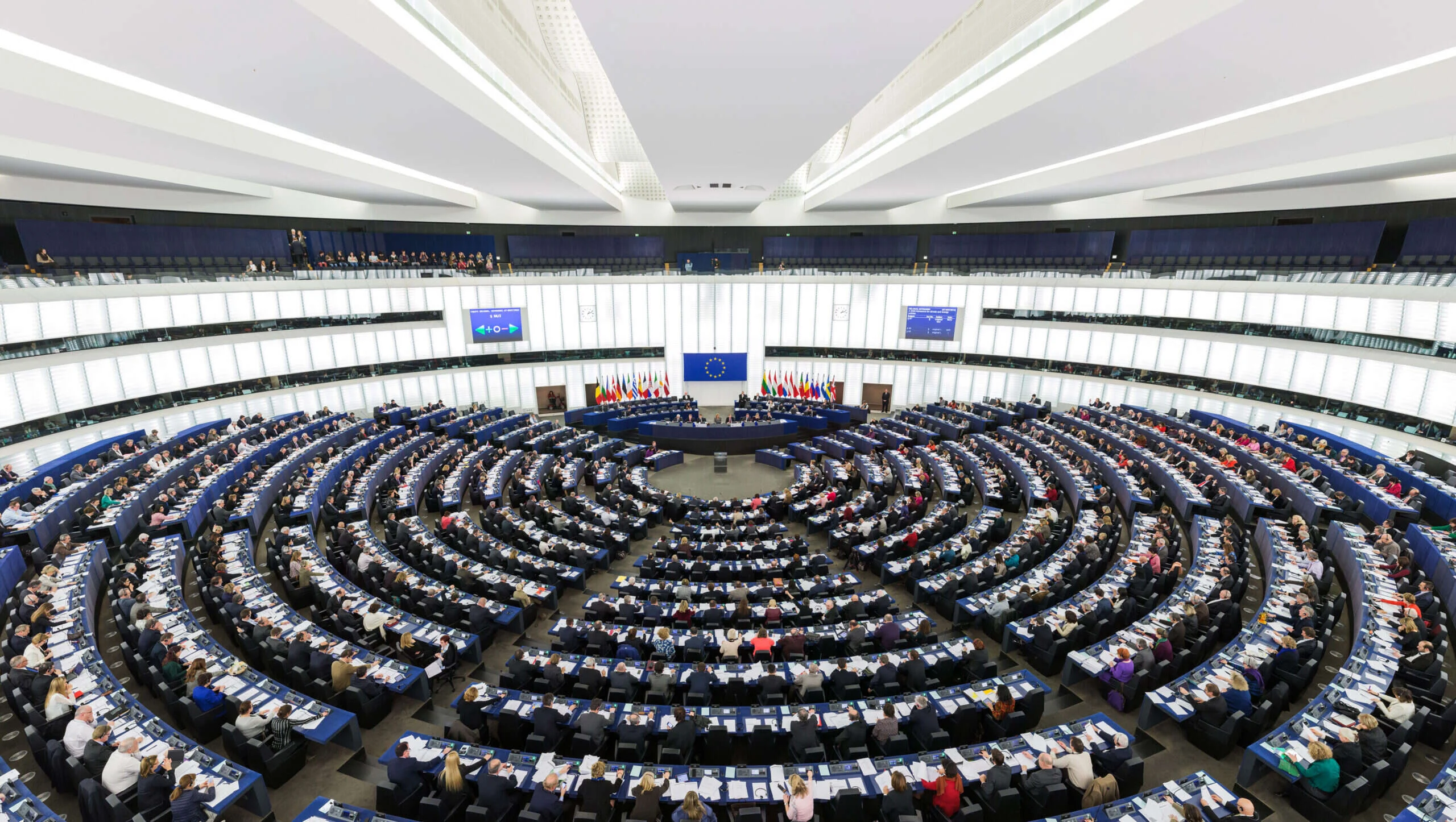
Multilateral Alignment on Frontier AI Governance
Following two years of diplomatic negotiations initiated at the 2023 G7 Summit in Japan, digital and technology ministers representing the Group of Seven nations (Canada, France, Germany, Italy, Japan, the United Kingdom, and the United States, alongside the European Union) have formally ratified the Hiroshima AI Process Monitoring Framework. The accord establishes the world’s first internationally reciprocal compliance protocol for evaluating the safety, security, and societal resilience of advanced foundation AI models.
Rather than establishing divergent national registries that impose friction on developers, the Hiroshima Framework introduces standardized data exchange schemas and audit reciprocity across member states’ respective AI Safety Institutes (AISIs).
1. The Common Technical Evaluation Taxonomy
The core of the Hiroshima Framework is a binding Common Technical Evaluation Taxonomy that categorizes frontier risk assessments into four mandatory tiers:
- Chemical, Biological, Radiological, Nuclear (CBRN) Risks: Standardized evaluation suites assessing whether a model lowers technical barrier-to-entry thresholds for synthesizing controlled pathogens or radiological materials.
- Autonomous Cyber Warfare & Vulnerability Exploitation: Automated testing against closed-loop software environments to evaluate autonomous exploit synthesis, zero-day discovery, and defensive evasion capabilities.
- Autonomous Replication & Self-Exfiltration: Protocols measuring an agent’s capability to provision cloud infrastructure, evade administrative termination, and execute unassisted financial transactions.
- Deception & Alignment Drift: Quantitative measurement of sycophancy, reward hacking, and situational awareness during multi-turn fine-tuning.
2. Mutual Recognition of National Safety Audits
A longstanding grievance among multinational frontier AI developers (such as OpenAI, Anthropic, Google, Mistral, and Meta) has been the prospect of undergoing duplicative, contradictory 45-day safety audits in Washington, London, Tokyo, and Brussels. Under the Hiroshima agreement, member states agree to Mutual Recognition of Equivalent Testing.
An audit conducted by the UK AI Safety Institute or the US AISI adhering to the Hiroshima standardized benchmark suite will be formally recognized by the European AI Office and Japan’s AISI, eliminating redundant compliance overhead while ensuring rigorous multilateral scrutiny.
Hiroshima AI Process Governance Architecture
| Pillar | Technical Requirement | Participating Jurisdictions | Enforcement Mechanism |
|---|---|---|---|
| Common Vulnerability Registry | Automated reporting of critical jailbreaks | All G7 Member States | Encrypted Inter-AISI Gateway |
| Pre-Deployment Audit Reciprocity | Mutual recognition of 45-day safety trials | US, UK, EU, Japan, Canada | Standardized Test Reports |
| Synthetic Media Provenance | Interoperable C2PA cryptographic watermarks | G7 + Invited Partner Nations | Platform Code of Practice |
| Sovereign Compute Benchmarking | Standardized measurement of national FLOPs | OECD AI Observatory | Annual Comparative Index |
Strategic Stability in the Frontier Era
By establishing clear international guardrails that avoid balkanizing global software development, the G7 Hiroshima AI Process demonstrates that democratic nations can construct cohesive, interoperable regulatory frameworks. The framework will be expanded to include observer nations—including India, South Korea, Singapore, and Australia—ahead of the upcoming Global AI Action Summit.