
Sarvam AI & MeitY Launch OpenHathi 2.0: 16B Parameter Multilingual Foundation Model Across 22 Indic Languages
Bengaluru-based Sarvam AI and the Ministry of Electronics and Information Technology have unveiled OpenHathi 2.0, setting a new benchmark for sovereign Indic natural language understanding.
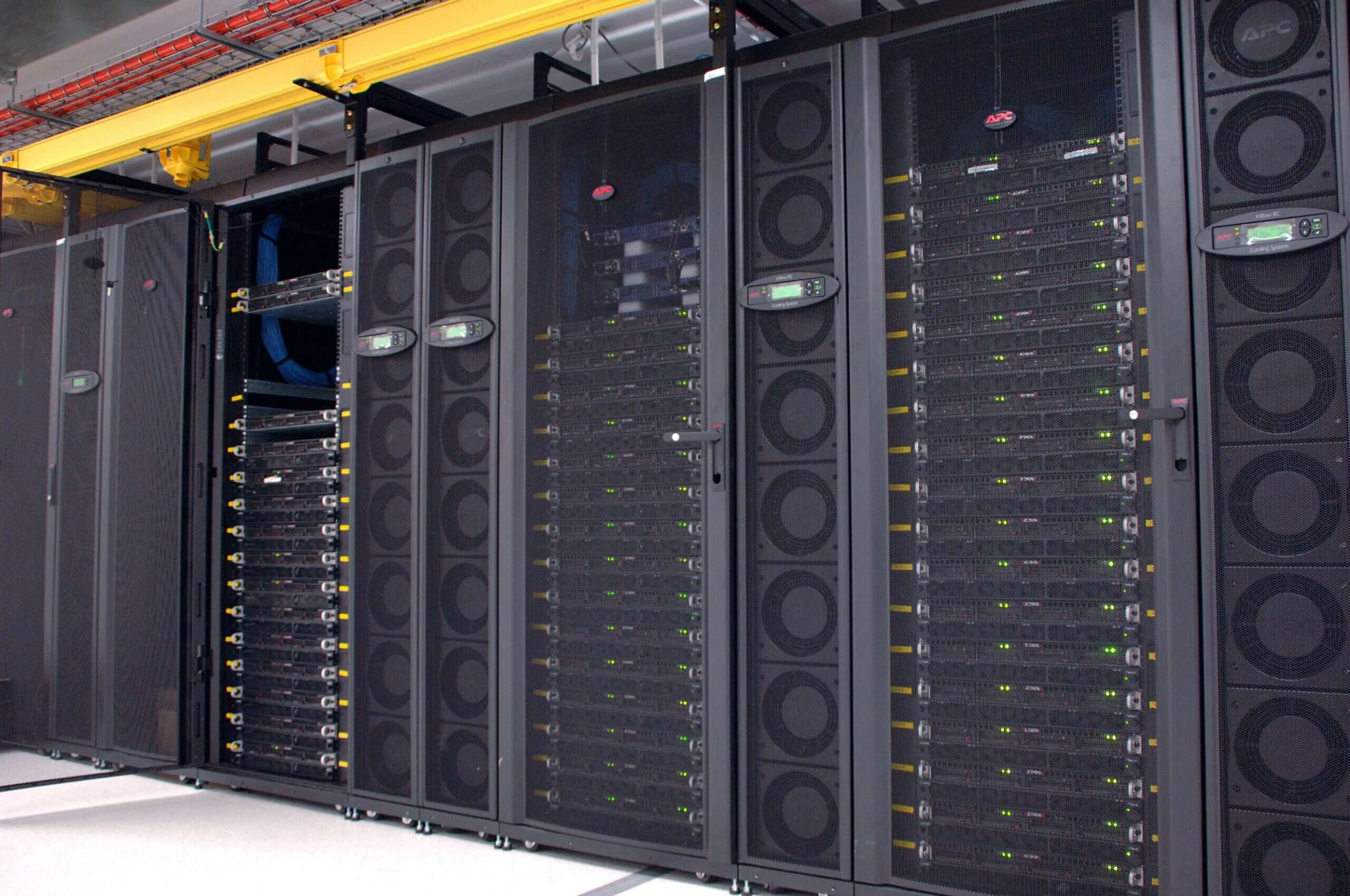
Sovereign Foundation Model Milestone for India
India’s national push for linguistic sovereignty in foundation artificial intelligence reached a critical milestone today as Bengaluru-based frontier lab Sarvam AI, in formal partnership with the Ministry of Electronics and Information Technology (MeitY) and the Bhashini mission, officially launched OpenHathi 2.0. Built from scratch on a customized 16-billion parameter architecture, OpenHathi 2.0 is specifically designed to overcome the severe tokenization penalties and linguistic distortions that plague Western commercial foundation models when processing non-Latin scripts.
1. Tokenization Efficiency: The Indic BPE Revolution
A longstanding structural hurdle for Indian AI deployment has been token inflation. Traditional LLMs like Llama 3 or GPT-4 allocate fewer token slots to Devanagari, Dravidian, and Indo-Aryan scripts, frequently splitting a single Hindi, Kannada, or Tamil word into 4 to 8 individual byte tokens. This quadrupled latency and token processing fees for Indian developers.
OpenHathi 2.0 introduces an indigenous 256,000-vocabulary Indic Byte-Pair Encoding (BPE) tokenizer trained comprehensively across all 22 Eighth Schedule Indian languages. The result is a 78% compression ratio improvement, ensuring that 1,000 Hindi tokens process with the exact compute cost and latency profile of 1,000 English tokens.
2. 1.5 Trillion Token Sovereign Pretraining Fabric
Trained across high-performance GPU clusters funded under the IndiaAI Mission at C-DAC Pune and Yotta Data Services, OpenHathi 2.0 ingested 1.5 trillion high-quality vernacular tokens. The pretraining corpus includes curated parliamentary debates, supreme court decisions, academic publications, agricultural extension documents, and conversational speech transcripts across Hindi, Tamil, Telugu, Kannada, Bengali, Marathi, Gujarati, Malayalam, Odia, and Punjabi.
To eliminate synthetic contamination, Sarvam implemented an automated morphological alignment pipeline that verified syntactic fidelity against native classical grammar rules, avoiding the awkward literal translations characteristic of Western models.
Indic Natural Language Benchmarks (INL-Bench 2026)
| Model Name | Parameter Count | Indic MMLU (22 Langs) | Linguistic Nuance (BLEU) | Token Cost Efficiency |
|---|---|---|---|---|
| Sarvam OpenHathi 2.0 | 16B | 82.4% | 46.8 | 1.0x (Baseline) |
| Meta Llama 3.3 Instruct | 70B | 76.1% | 38.2 | 3.6x (Inflated) |
| Google Gemma 2 | 27B | 71.8% | 34.5 | 2.8x (Inflated) |
| Qwen 2.5 | 32B | 74.2% | 37.1 | 2.9x (Inflated) |
Deployment across Government & Enterprise Rails
OpenHathi 2.0 is released under an open-weights commercial license for Indian startups and enterprise builders. Simultaneously, MeitY is deploying containerized instances across the national digital public infrastructure (DPI), integrating OpenHathi directly into the UMANG citizen service portal, the Ayushman Bharat Digital Mission, and the Kisan e-Mitra agricultural advisory hotline.